How to Restore Water Damage A Homeowner's Guide
What can be saved, what has to go, how long it takes, and when you need a professional.
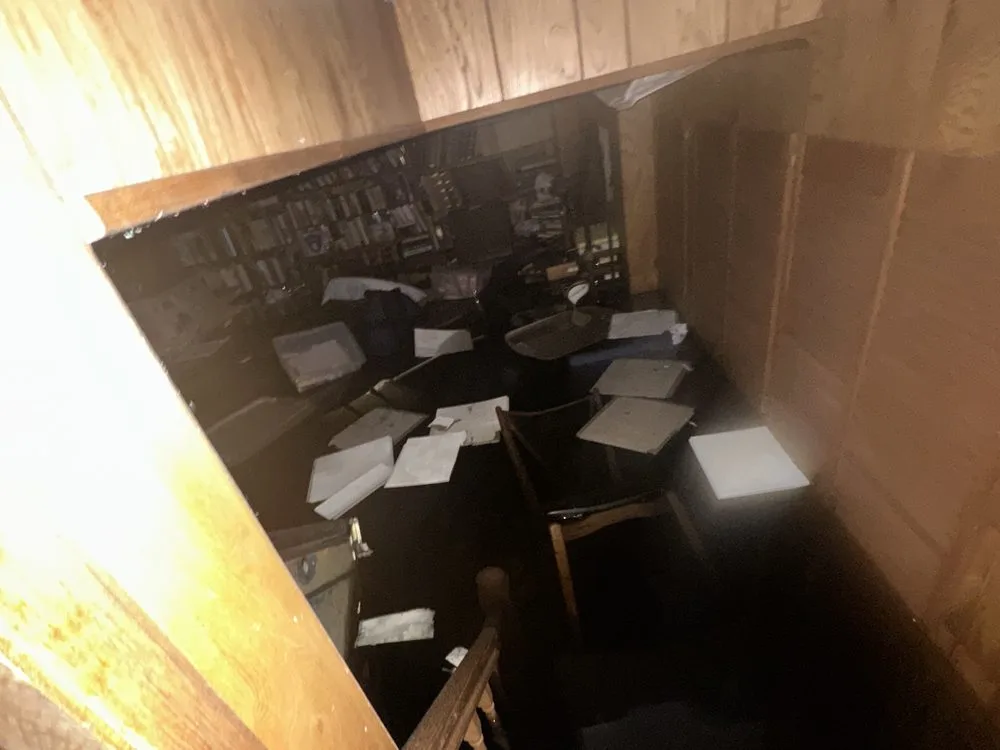
To restore water damage, stop the water source, remove standing water, take out materials that cannot be dried, dry the structure to normal moisture levels (usually three to five days), and then rebuild. Water from sewage or flooding needs professional cleanup. Performance Restoration Inc. restores water damage across Suffolk County, Long Island. Call (631) 626-6626.
The Three Categories of Water Damage
The restoration industry sorts water into three categories. The category decides what can be saved and how it has to be cleaned.
- Category 1, clean water. From a supply line, faucet or water heater. Most materials can be dried and saved if you act quickly.
- Category 2, gray water. From a washing machine, dishwasher or toilet overflow without waste. Carpet pad is usually removed; surfaces need cleaning and sanitizing.
- Category 3, black water. Sewage, or flood water that came in from outside. Porous materials it touched, such as drywall, insulation and carpet, generally need to be removed.
What You Can Save and What Usually Has to Go
Often Saved With Proper Drying
- Wood framing and studs
- Plywood subfloor, if caught quickly
- Solid hardwood floors, sometimes
- Concrete and block foundation walls
- Wood furniture, if dried promptly
Usually Removed
- Carpet pad
- Wet insulation
- Drywall that wicked water more than a few inches, or touched black water
- Laminate flooring
- Particleboard cabinets and furniture
- Anything with visible mold
How Long Does It Take to Restore Water Damage?
- Day 1: Stop the source, extract water, remove what cannot be saved, set up drying equipment.
- Days 2 to 5: Structural drying with daily moisture readings. Time depends on how far the water traveled into walls and floors.
- After drying: Rebuild. A small area might take a few days; a finished basement or multiple rooms can take a few weeks.
What You Can Do Yourself, and When to Call
Reasonable to Handle Yourself
- A small clean-water spill caught right away
- Wiping up and running fans and a dehumidifier
- Moving belongings out of the wet area
Time to Call a Professional
- Any sewage or outside flood water
- Water inside walls or under flooring
- A finished basement with standing water
- A musty smell days after the water is gone
- Anything your insurance will be paying for
Restoring Water Damage — FAQ
How long does it take to dry out water damage?
Structural drying usually takes three to five days. Dense materials, finished basements and water that sat for a while can take longer. Readings, not the feel of the surface, decide when it is dry.
Can drywall be saved after water damage?
Sometimes. Drywall that got wet from clean water and was dried quickly can often be saved. Drywall that wicked water high up the wall, sat wet for days, or touched sewage or flood water is usually removed.
Will water damage cause mold?
It can. Mold can begin growing within 24 to 48 hours on wet materials, which is why fast drying matters.
Is a dehumidifier enough to dry a flooded basement?
For a small clean spill, it may be. For standing water or wet walls and flooring, household equipment usually cannot remove moisture from inside the framing, which leads to mold later.
Need Help Restoring Water Damage?
Send us a photo by text and we'll tell you what we see and what it will take.